Showing posts with label Deep Space Nine jacket. Show all posts

May 3, 2015

Tips for Achieving an Ideal Fit

While some costumers may find a perfect fit in one of the "default" pattern sizes, it is somewhat unlikely due to variations in height, weight, build, musculature, neck size, and general physique. 

That's why we highly recommend making a muslin test or a "practice" garment of some kind (other than to familiarize yourself with its construction, that is!) - you can make the necessary sizing observations (e.g. sleeves need to be an inch longer, waist needs to be loosened, neckline needs to be taken in a bit, etc.). 

All this fitting does require extra time and effort on the part of the costumer, but the finished garment's custom-tailored look will definitely be worth it! 


There are five main aspects of the garment that may need adjustment and the original pattern need be altered: the neckline, the chest, the waist, the length of the garment, and the sleeves. 

These revisions are not difficult to make, even to conform to NEMESIS "hero" uniform standards, provided one remembers the appropriate points at which the garment is to be aligned and/or coordinated. 


The neckline, for instance, is simply adjusted in lateral increments of half quilt-lines ... that is, it is widened (sideways) in increments of ⅜". ):

Mid-quilt line
Quilt line


If, for some reason, your neckline needs to be lengthened in the other direction, it is a simple matter of adding the appropriate length to the shoulder seam on each side. 

For instance, if your neckline needs to be lengthened (as opposed to widened, sideways) by ¼", simply add ⅛" to the front yoke and the back yoke on the neckline side of the shoulder seam. 


The opposite would be the case if you need it let out a bit at the shoulder/armscye. 

Just remember to adjust the seamline of your shoulder point accordingly!


Adjusting the chest at the bottom of the yoke is a fairly simple matter, too.

The chest sizes of the printed pattern are graded in increments of 4 ½" - that is, one additional ¾" quilt line on each front yoke, one additional ¾" quilt line on each side of the back yoke, and ⅜" on each side of the underarm/side front/side back seam and on both sides. 

Any chest alterations - between the "default" sizes on the printed pattern, that is - are easiest to make in increments of ¾". This is most effectively done by taking in the armscye seam in by ⅜" on either the back or both front yokes (wherever there's more excess), thus moving the seam's ⅛" topstitching from on a quilt line to a mid-quilt line. 


(All of the "default" printed pattern sizes place the yokes' armscye seam's topstitching on a quilt line, as we believe it to be ideal, but as noted in the construction analysis, a mid-quilt line is acceptable.)

In other words, the printed pattern piece will look like this (right) in every size, in the front and the back: 


But you can add or remove ¾" to or from the chest by moving the armscye seam to a mid-quilt line (left), in the front or the back. 


Of course, you can add or remove 1 ½" to or from the chest by doing in both the front AND the back. 

Remember to adjust your shoulder point, side front body panels, and lining panels accordingly. 

Another option, for slight chest alterations, is the top of the side front/side back seam (under the arm) - adjusting the sleeve (and sleeve lining) accordingly, of course! 


The waist is, likewise, an easy aspect of the garment to alter. 

Of course, as waist sizes vary widely amongst people, it's also, perhaps, the most likely to need adjustment. 

The waist sizes on the printed pattern are graded in increments of 3". This means that each pattern size may need up to 2 ½" or so added or subtracted to the waistline. 

The best place to take the waist in a bit is at the side front/side back seams (say, ¼" each or so). That would be ½" for each side, or 1" total.


Adding to the waist is a similar process and can be done anywhere, though the easiest place to add is, by far, the side front/side back seam. 

As is, the pieces are angled inward somewhat, but they can be adjusted as needed with relative ease.


Remember to adjust the lining panels and the length of the waistband (both Picard and Sisko versions) accordingly when modifying the waist. 


The jacket length is a bit more of an issue than the others. 

The distance from the bottom of the yoke to the bottom of the jacket at the front center was 16 ½" on Captain Picard's Nemesis jacket - presumably not only because that was an ideal fit, but also it because conveniently lent itself to a 16" jacket zipper and ½" for a hook-and-eye closure. Captain Sisko's jacket appeared to be the same. 

From this, we can deduce that the IDEAL jacket height (from the bottom of the yoke, which was a fixed height of 4 ½" at the front opening, to the bottom of the jacket, measured from the front center) was 16 ½". 

On our pattern, we have drafted the jacket so that the MEDIUM size is "screen accurate" in this regard. From there, the jacket body height is graded in 1" increments; the SMALL is 15 ½", the MEDIUM is 16 ½", the LARGE is 17 ½", the XL is 18 ½", and the 2XL is 19 ½".

This was done for height/weight purposes only! For instance, a shorter fellow with moobs and a beer gut might wear a size 2XL, but the 19 ½" jacket body would be way too long. Likewise, a taller, toothpick-size gentleman might wear a size small, but the jacket would likely be too short. 

Take a look at Oberoth and Gabe Lewis; though they might have a similar build at the chest and shoulders, their waistlines will be radically different: 


We have graded the jacket height for your sizing convenience, but 16 ½" is, arguably, the ideal!


The length of the sleeves may need to be adjusted, depending on the wearer's arm length. 

This is relatively easy, however!

The sleeve length on the pattern is graded in increments of 1". 

The sleeve is wider at the top and gradually narrows toward the wrist, but the bottommost 2 ½" are a consistent width for the sleeve cuff. 

To length or shorten, simply move said 2 ½" rectangle upward or downward as needed and change the angle of the sleeve's narrowing accordingly. 


CONGRATULATIONS! 


If you found this tutorial helpful, please support my costume research on Ko-Fi! :)


Tutorial, part 18 - Zipper and Hook-and-Eye Closure

Cut off the excess zipper tape from the top of your jacket zipper.


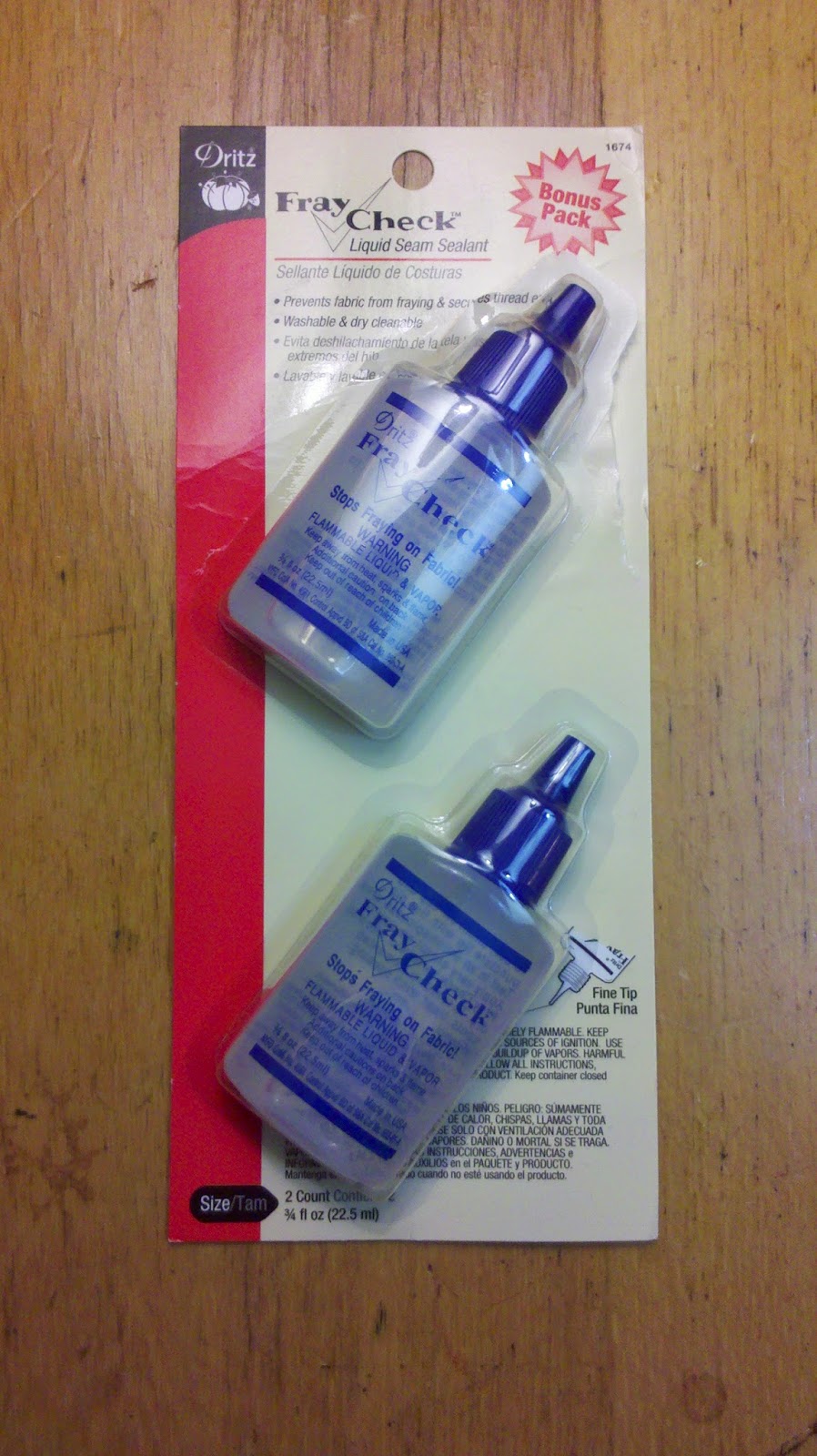
Apply liquid fray preventer to the top of the zipper tape.


Fold the bottom portion of the trim (the 1" that overhangs the bottom of the jacket) upward, then press.

Fold the entire length of zipper trim underneath the jacket assembly, then press. 

Unfold the trim. 

Unzip the zipper. 

Place the left half of the zipper underneath the left zipper trim so that the bottom of the zipper is flush with the bottom of the jacket and the zipper teeth are just inside of the crease. Pin and baste the zipper into place. 

Repeat the process for the right half of the zipper and the right zipper trim. 


NOTE: The zipper should extend from the bottom of the jacket to ½" below the neckline on the Sisko variant, or ½" below the yoke for all other versions. 


If your jacket zipper is longer than that, you will need to cut it down to size. You can simply pull the metal brackets off of the top and replace them accordingly, or you can do a bar tack (i.e. zig-zag stitch with the stitch length set to 0) over the top of the zipper to keep the zipper pull from coming off. 


Once satisfied with the zipper's placement, sew the zipper to the underside of the zipper trim, reinforcing the stitch on each side of the bottom of the jacket and leaving the top ½" to 1" of the zipper hanging free that is, do not sew it to the zipper trim! Reinforce the stitching at the point where the zipper is left free. 

It may take a few tries to find that "sweet spot" where the zipper is completely hidden underneath the zipper trim, but it doesn't pull the fronts together to tightly that the zipper trims don't mash up against each other. 


Fold the zipper and neckline trim under the jacket assembly (just the zipper trim for the Sisko variant), then fold it in half again, in the same manner as you would attach double-fold bias tape. Pin in place.

"Stitch in the ditch" along the outer edge of the zipper trim with black thread, and then along the outer edge of the neckline trim with gray thread. 


Hand-stitch a hook-and-eye closure (or two, as the case may be) to the undersides of the zipper trim at the top where the zipper was left hanging free to close the jacket above the zipper. 


Tutorial, part 17b - Zipper Trim and Neckline Trim

For all other versions

Place a piece of zipper trim (piece Z) on top of the left center front body panel, right sides facing, with the top edge of the zipper trim flush with the top edge of the yoke trim. The zipper trim should extend 1" beyond the bottom of the jacket. 


Starting at the bottom of the jacket, sew the zipper trim to the jacket, stopping roughly 2" from the top of the length of trim. 

Press the top portion of the zipper trim downward so that the fold is flush with the bottom of the yoke trim. 


Place the neckline trim (piece Y) on the left yoke and folded zipper, right sides facing, with the edge of the neckline trim and the edge of the zipper trim flush. 


Pin the two pieces of trim together, then sew them together along the crease in the zipper trim. 


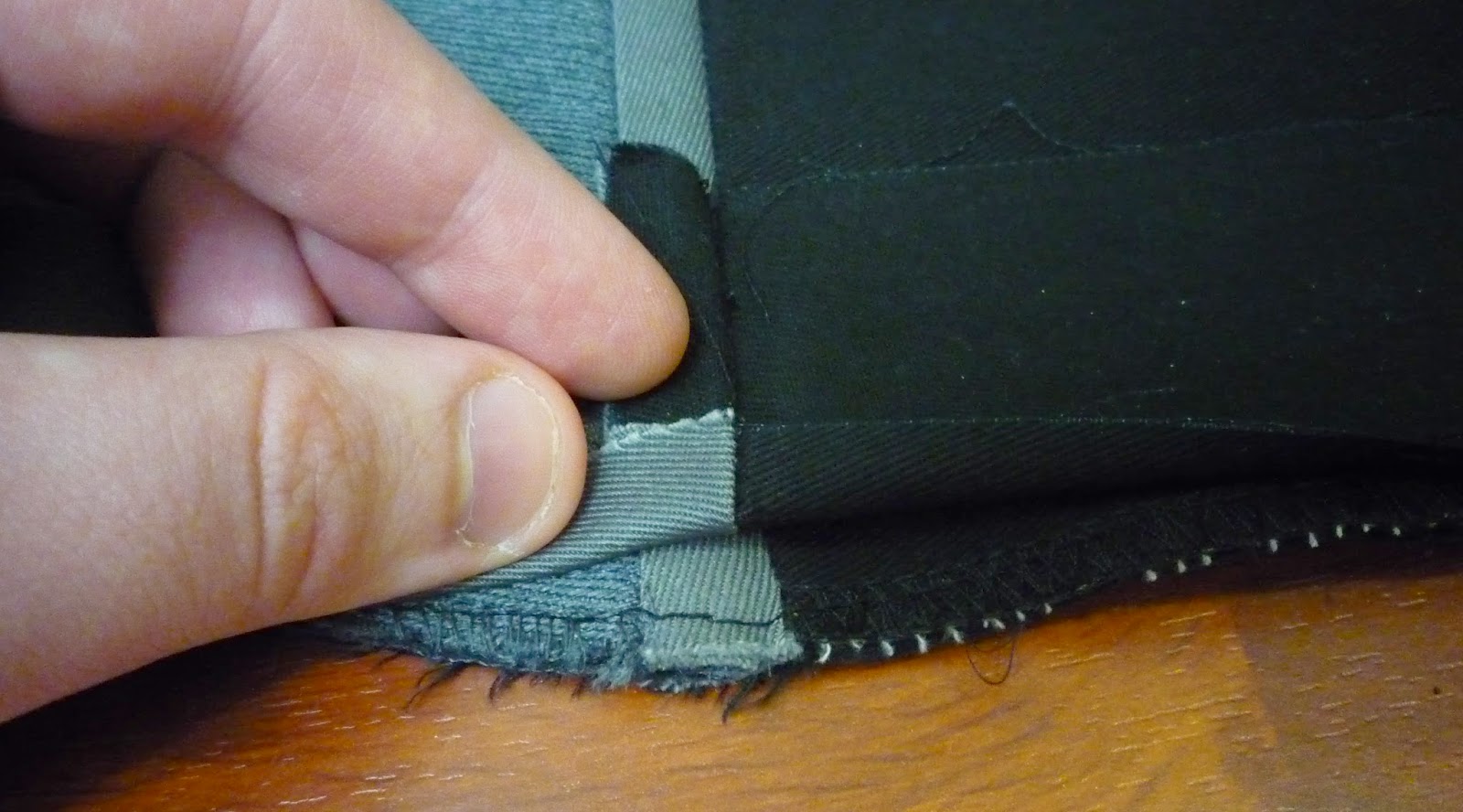
Confirm that the trim seam is flush with the yoke/body seam. 


You want it to look like this: 


Not this:


However, if it is off a little bit, simply take in the seam until it's properly aligned. The trim pieces are intentionally a bit long.


Once you're satisfied with the alignment, clip the seam allowances down to ⅛" and press them open. 


Pin in place, the continue the zipper trim stitch from where you left off to just above the trim seam (catching the trim's seam allowances), then stop. 


For the Picard First Contact/Insurrection version, clip the corner of the front opening in a slightly rounded manner, removing the "hard" corner and making a nice, subtly rounded turn.


Rotate the neckline trim so that its edge is flush with the front opening.

Pin in place. 


Sew the neckline trim around the rounded corner, using your quilting/walking foot and gray thread. 

Continue around the neckline, the opposite corner, and the opposite front opening, stopping roughly 2" from the bottom of the yoke. 

Repeat the process of sewing the neckline trim and the zipper trim together, in the opposite direction. 


For the Picard NEM and Sisko versions, rotate the neckline trim so that its edge is flush with the front opening.

Pin in place. 


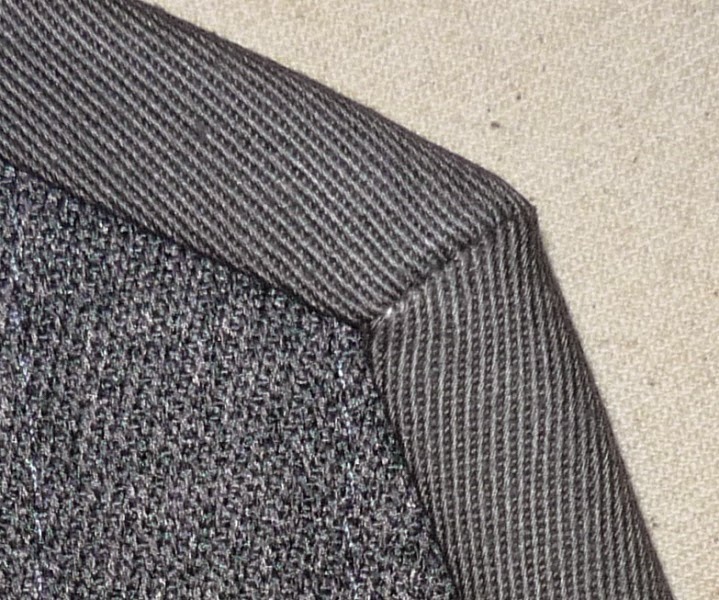
Fold the neckline trim over at the corner of the front opening so that, at the edge of the neckline, the trim is at the appropriate angle for the miter. Press.


Unfold the trim, then stitch all the way to the crease. 

With the needle in the fabric, lift the presser foot and rotate the shoulder point so that the crease is facing you. Lower the presser foot and stitch to the edge along the crease line.


It's the same mitering process you did earlier with the shoulder point. 

Repeat the process here with the corner of the front opening, stitch around the neckline, and repeat the process again for the opposite corner. 

Then repeat the process of sewing the neckline trim and zipper trim together.


Turn the trim under and press it away from the yoke. 


And how about those beautiful machine-sewn miters, just like the screen-used???

Again, we'd like to extend another special thank-you to Kenneth King, author of Cool Couture, as his online "mitering a Hong Kong finish" tutorial was instrumental in helping us reverse-engineer this mitering process! 


Tutorial, part 17a - Zipper Trim and Neckline Trim (Sisko Variant)

The process for attaching the zipper trim, neckline trim, and zipper is similar for each of the four versions but different enough to merit separate instructions.


Sisko variant (for the other versions, skip to part 17b)

The Sisko variant is the simplest and easiest of the four versions in this regard.


First, using your quilting/walking foot and gray thread, sew the neckline trim (piece Y) to the neckline in the same manner you would sew double-fold bias tape. 


Place a piece of zipper trim (piece Z) on top of the left center front body panel, right sides facing, with the top edge of the zipper trim flush with the top edge of the yoke trim. The zipper trim should extend 1" beyond the bottom of the jacket. 

Starting at the bottom of the jacket, using your regular sewing foot and black thread, sew the zipper trim to the jacket, stopping roughly 2" from the top of the length of trim. 


Press the top portion of the zipper trim downward so that the fold is flush with the bottom of the yoke trim.


Place the yoke zipper trim (piece AA) on the left yoke and folded zipper, right sides facing, with the edge of the neckline trim and the edge of the zipper trim flush. The yoke zipper trim should overhang the top of the neckline by 1". 


Pin the two pieces of trim together, then sew them together along the crease in the zipper trim. 


Confirm that the trim seam is flush with the yoke/body seam. 

You want it to look like this: 


Not this: 


Once you're satisfied with the alignment, clip the seam allowances down to ⅛" and press them open. 


Pin in place, the continue the zipper trim stitch from where you left off to just above the trim seam (catching the trim's seam allowances), then stop. 


Using your quilting/walking foot and gray thread, stitch the yoke zipper trim to the yoke. 


Fold the entire length of trim (both jacket and yoke) over, then press. 

Fold the top portion of the trim (the 1" that overhangs the top of the neckline) downward, then press. 

Fold the entire length of trim it again, underneath the jacket assembly, then press. 


Tutorial, part 16 - Lining to Body

Sew the bottom of the lining body assembly to the body facing assembly, right sides facing and matching seams. 


Hand-stitch the facing/lining seam allowance to the jacket body's underlining, again being careful not to stitch all the way through the layers to the outside of the garment.


Turn the lining body assembly upward. 

Pin the lining to the open edge of the jacket - the body, front opening, and neckline. 

Baste or sew the lining to the body, ⅛" or ¼" from the edge. ew the jacket's sleeve linings to the sleeves.


Hand sew the jacket's seam linings to the sleeves. 


Tutorial, part 15 - Lining Assembly

The jacket's lining assembly is very simple. 


Sew the center front lining (piece R) to the side front lining (piece S). 

Press seam allowance open. 

Repeat for the other side. 


OPTIONAL: add pockets in a style of your choice. On our pattern, we have included recommended pocket placements for ½" by 5" welt or double-welt pockets. 

Depending on your physique, you may wish to move the pocket placements, and those with larger hands may wish to widen the pocket opening, but these should at least be a good place to start. The pocket should begin immediately below the breast, and the pocket pouch should not extend into the hem facings. 

We recommend using the shell fabric (black wool gabardine or black cotton twill) for the welts, and any fabric should do nicely for the pocket pouches; we like to use the black lining fabric, but white muslin would work well, too.


Sew center back lining (piece S) to the side back lining (piece T). Press seam allowance open. 

Sew the two back assemblies together along the center back. Press seam allowance open. 

Sew the front lining assemblies to the back lining assembly at the shoulders. Press seam allowance open. 

(Pictured with pockets)


Sew the sleeve linings (piece Q) to the body assembly at the armscye. Press seam allowance toward sleeves. 

Sew the sides and sleeves closed, matching edges and seam lines. Press the seam allowances open.

The front center of the jacket's lining will be left open for now; it will get sewn in later.


TIP: Rather than pressing the lining seam allowances open, you may instead wish to serge them together. 

TIP: The lining panels have our standard ⅜" seam allowance, but you may wish to taper them to ¼" an inch or two from the beginnings and ends of the seam lines to give the lining body some additional fullness and avoid any pulling/contorting/etc. of the garment body once the two are "married" later. 


Press the bottom of the sleeve linings upward ⅜" toward the wrong side.